- Home
-
-
Navigate
-
Resources
-
-
-
-
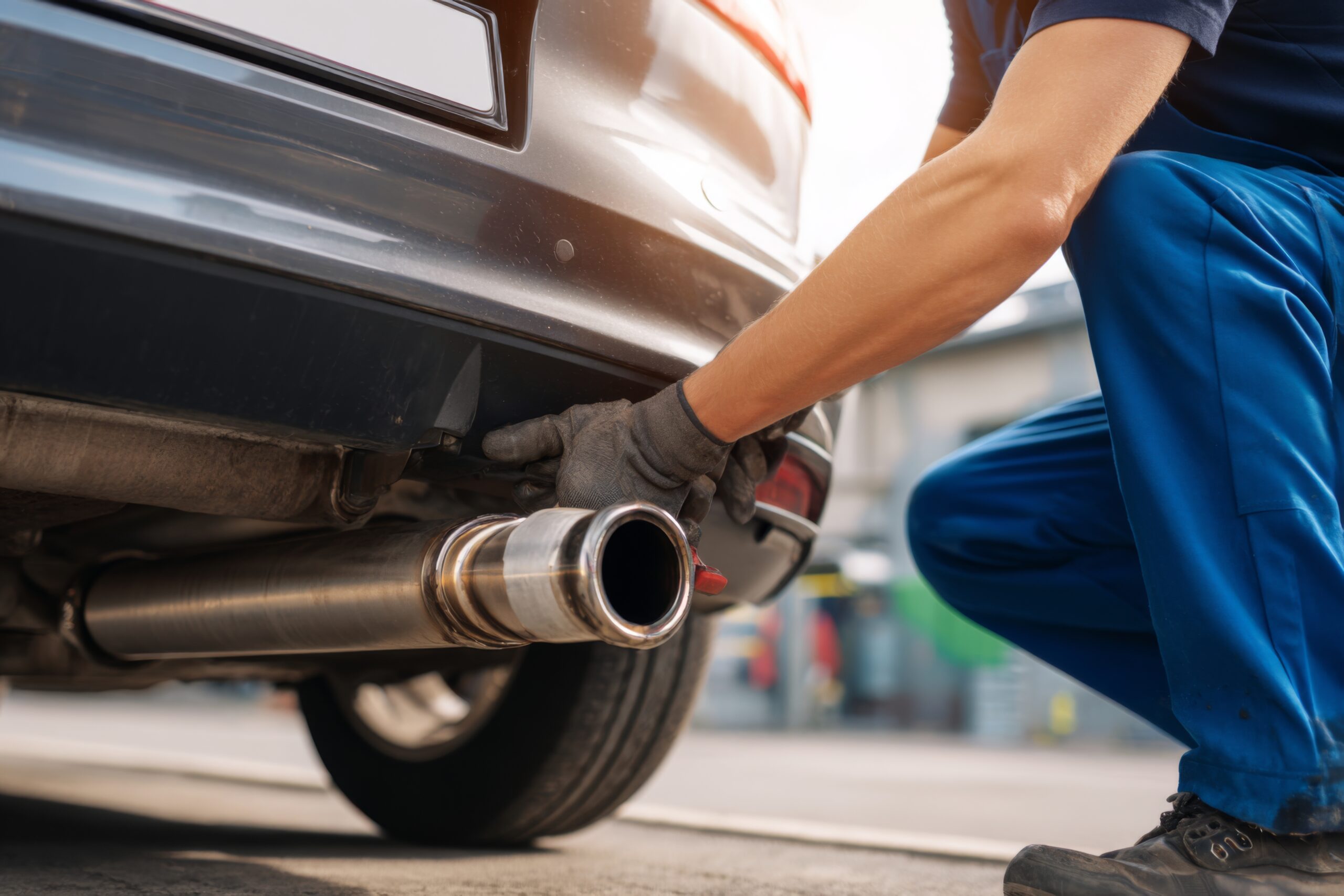
If you run diesel trucks or manage a fleet, your diesel particulate filters (DPFs) are directly tied to uptime, fuel economy, and emissions compliance. Even with proper maintenance, DPFs eventually load up with soot and ash and need a professional off‑truck cleaning—not just another regen—to keep trucks on the road and safe.
This guide walks through what happens during a professional DPF cleaning, how reputable providers validate filter cleanliness, and what proof of performance fleet managers should always request before a cleaned filter goes back into service.
Modern DPFs are designed to capture and store particulate matter from diesel exhaust. Properly functioning DPF systems dramatically reduce particulate emissions compared with older engines without aftertreatment. That’s good for air quality and compliance, but it also means your filters are constantly filling with soot and, over time, non‑combustible ash.
On‑truck regens burn off much of the soot, but ash does not burn. As ash accumulates, you see:
A proper professional cleaning restores flow and reduces restriction, helping you avoid premature filter replacement and protect your investment.
A quality cleaning process starts the moment your filter arrives. The provider should log and label each DPF with a work order number, unit number, and any identifiers you provide. This prevents mix‑ups and lets you track which filter came from which truck.
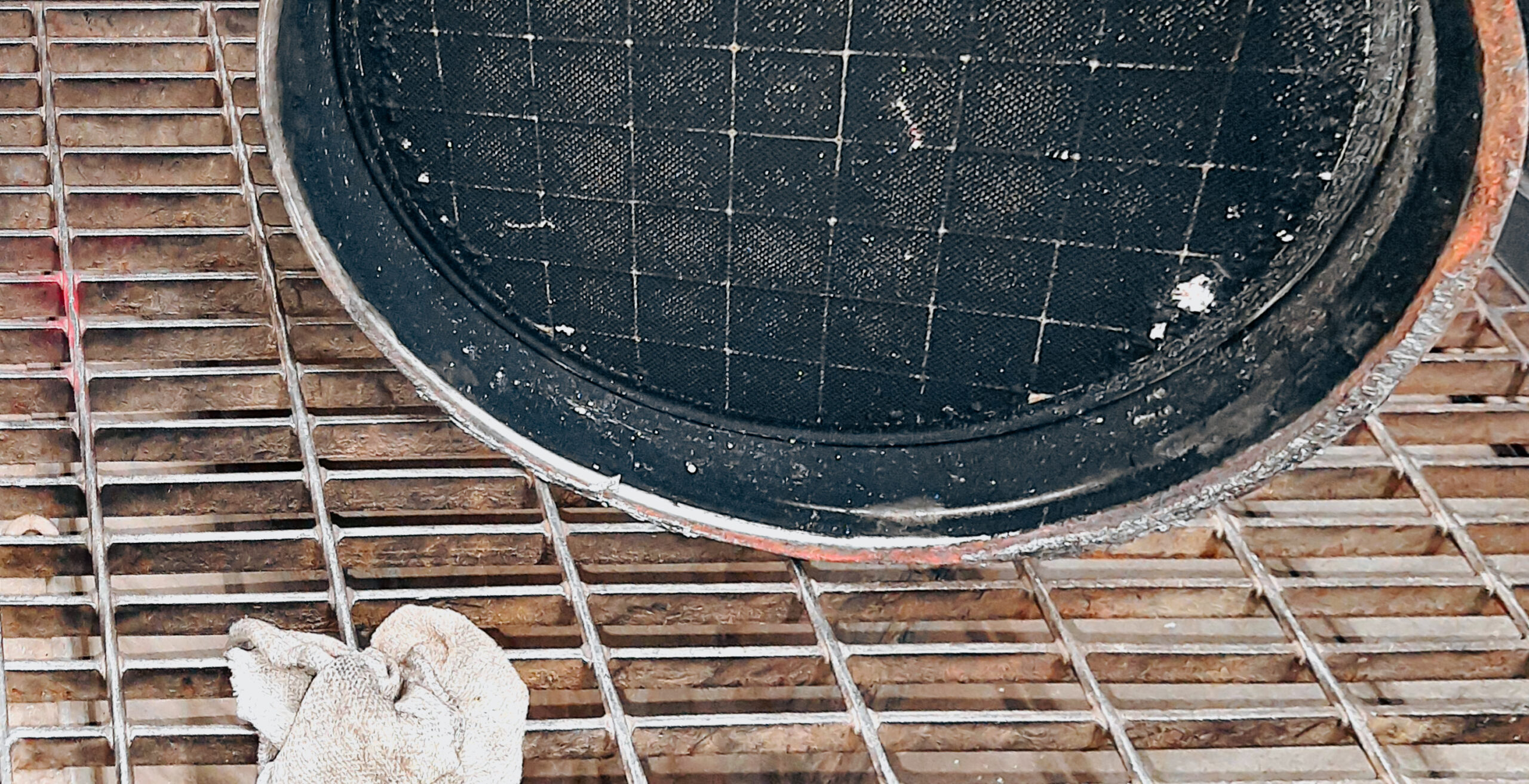
Next is visual inspection. Technicians check for:
Filters with severe structural damage or heavy contamination may not be safely recoverable. A reputable provider will flag those issues instead of just “cleaning” a failed unit and sending it back. As a fleet manager, this is also where you should expect photos and notes that document the incoming condition of your DPF.
Before any cleaning starts, professional shops perform baseline tests so they can measure improvement afterward and prove the work was effective.
Two common tests are:
These readings give you objective data on how plugged the filter was when it arrived. They also become the benchmark for post‑clean verification. When you’re evaluating providers, ask specifically what before‑and‑after test reports they supply; if they can’t show numbers, you don’t really know what you’re getting.
Not every DPF should be cleaned the same way. The right approach depends on the filter design, loading level, and type of contamination. Most professional facilities use a combination of:
The DPF is placed in a controlled‑temperature oven for a set cycle. The heat helps oxidize and loosen hardened soot and softens ash deposits so they can be removed more effectively. This isn’t just a truck regen—it’s a specifically engineered off‑truck bake.
After baking, the DPF moves to a machine that uses high‑volume, pulsed air to blow soot and ash out of the channels. A proper setup includes dust collection so contaminants are safely captured and often reverses airflow direction to clean from both ends.
Some filters and contamination types respond well to carefully controlled liquid‑based cleaning with the right chemistry and pressure. Used incorrectly, though, this can damage the substrate, so reputable providers follow OEM‑aligned guidelines and avoid harsh shortcuts.
Regulatory and technical resources from manufacturers and agencies like the California Air Resources Board emphasize following approved DPF maintenance practices to preserve emissions performance and warranty coverage. Your cleaning partner should be able to explain how their methods line up with those standards.
Once cleaning is complete, a professional shop verifies that the filter is actually back within acceptable limits. This is where you get the proof you need.
Post‑clean verification usually includes:
From your standpoint, the key is documentation. The shop should provide:
Once your DPF returns from the cleaning provider, proper reinstallation and on‑truck checks close the loop. Technicians should inspect clamps, gaskets, and sensors; correct any exhaust leaks; clear related fault codes; and monitor backpressure, regen frequency, and driver feedback over the next runs.
That real‑world performance—combined with solid documentation from your cleaning partner—is the best confirmation that your DPF service is working, your emissions system is protected, and your trucks are ready to keep earning.